

Fears are not our enemies; they are not punishments. They are helpers and teachers that come to the surface, guiding us in what we focus on and where we invest our energy. Fears serve as signals, indicating either potential danger in our environment or aspects of our inner world that require our conscious attention.
All fears can be divided into three types: survival fears (fears of the Spleen Center), nervousness (fears of the Solar Plexus Center), and anxiety (fears of the Ajna Center).
Survival fears function exclusively in the moment and help preserve health and life through spontaneous reactions. Depending on your Design, some people are guided by these fears through spontaneous reactions to changing life circumstances, while others are distracted by these fears from their own truth.
In any case, mind often amplifies these fears, turning them into anxiety that can fill all the inner space and turn life into an attempt to escape from fear. This can last a lifetime and lead to suffering.
You can transform fear by recognizing what it teaches you in terms of how your body is specifically designed.
What does your fear teach you?

One of our most profound fears revolves around the possibility of losing our cherished loved ones, perhaps forever. Often, this fear is intertwined with the dread of losing the love itself.
The following story eloquently illustrates the idea that love, in reality, cannot be lost, for it resides within us and all around us.
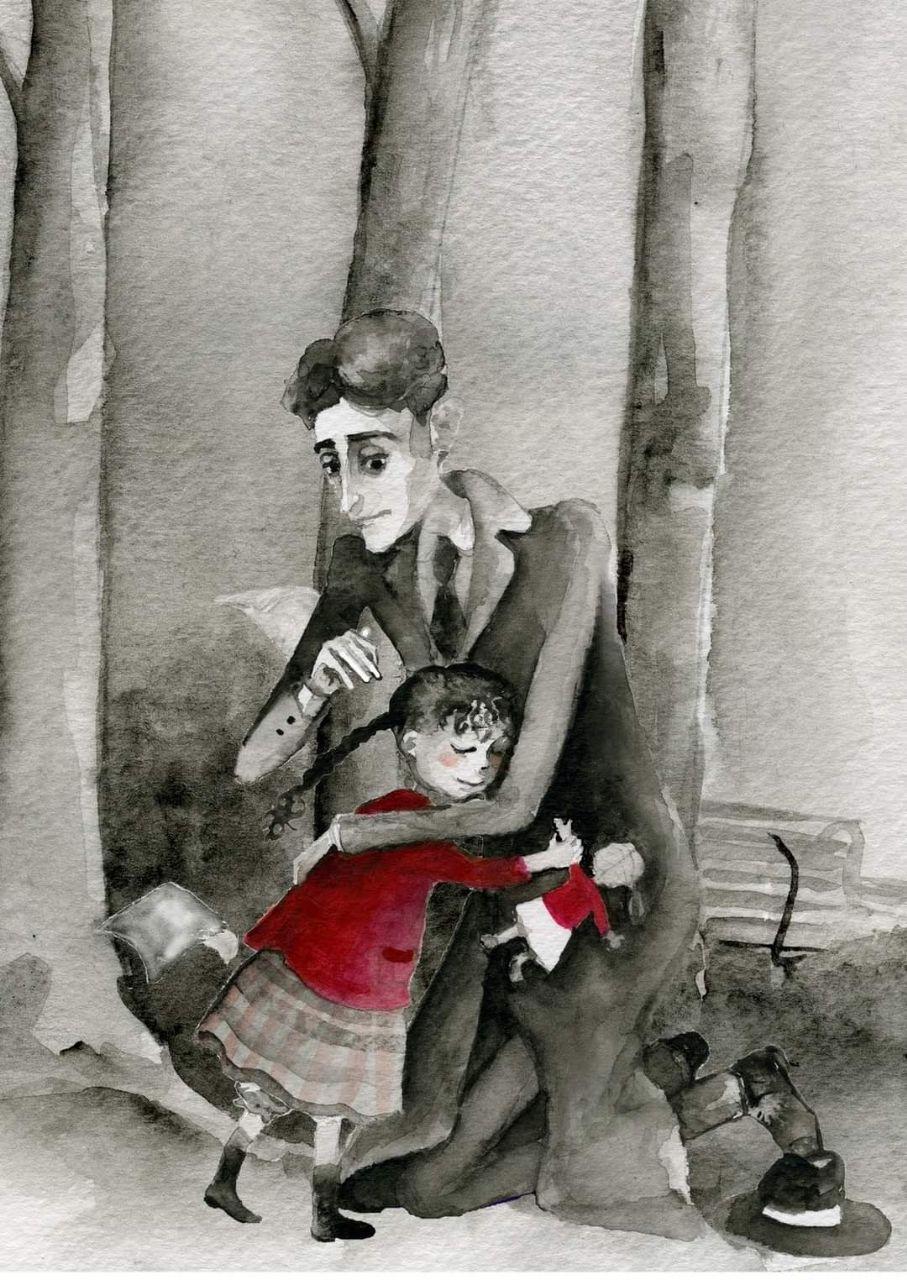
“At the age of 40, Franz Kafka (1883-1924), who was never married and had no children, was walking through a park in Berlin when he encountered a little girl who was crying because she had lost her beloved doll. They searched for the doll together, but didn’t find it.
Kafka told her to wait for him the next day and they would come back to look for the doll.
They searched for the doll the next day but still couldn’t find it, so Kafka gave the girl a note “written” by the doll, which said, ‘Please do not cry. I have gone on a journey to see the world. I will write about my adventures.’
This is the beginning of a story that continued until the end of Kafka’s life. During their meetings, Kafka read the doll’s notes, describing her adventures and “doll’s chatter”, which the little girl found charming.
Finally, Kafka brought the doll “who came back to Berlin” (which he had simply bought before).
“That doesn’t look like my doll at all”, said the girl.
Kafka handed her another letter, in which the doll wrote, “My travels have changed me”. The little girl embraced the new doll and happily took it home.
In one year Kafka passed away.
Lots of years later the grown-up girl found a letter inside the doll. The tiny letter, signed by Kafka, said:
“Everything you love will probably be lost, but in the end, love will return in another way”.
In the world, there are many things we can fear. Most often, what we fear has no relation to real dangers. The scariest things for us are our own thoughts: “What if I regret my decision?”, “What if he’s unhappy with me?”, “What if the opportunity for love is lost forever?”
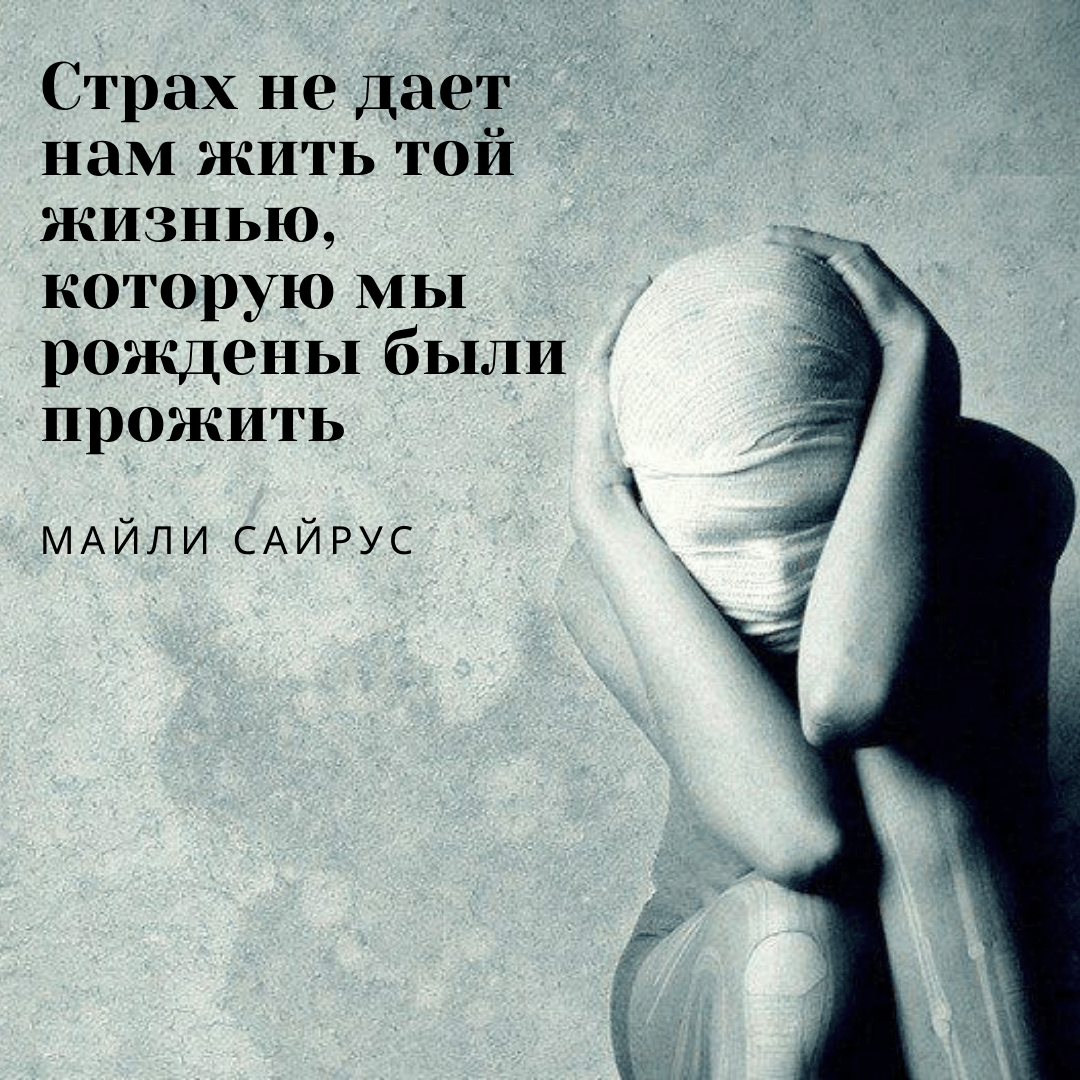
What do I do when I notice these frightening thoughts in myself? I simply return to being present in my body, to what I feel right now.
It’s crucial to bear in mind that each person possesses their inherent self-reliance, shaped by their unique Design. This self-reliance plays a pivotal role in distinguishing between genuine threats and fabrications of one’s mind.
If you don’t know how to distinguish your truth from the bustle of your mind, we can explore it together.